

Powering Progress: BIPV and the Road to Net Zero
Why Roof-Integrated Solar Matters in the UK
In the UK’s transition to a low-carbon economy, building-integrated photovoltaics (BIPV) are emerging as a practical and increasingly attractive tool for architects and developers. Specifically, roof-integrated BIPV, where photovoltaic modules replace conventional roofing materials, is playing a pivotal role in aligning new developments with net-zero performance goals. These systems allow buildings to generate renewable electricity directly from the roof while preserving, or even enhancing, design integrity and long-term value.

The Regulatory Landscape: Future Homes and Beyond
For UK-based architects, BIPV offers a futureproof way to meet rising client demand for sustainable design and stay ahead of regulatory mandates. As part of the Future Homes Standard, from 2025 onward, all new residential buildings in England (Scotland, Wales, and Northern Ireland have separate regulations and timelines for zero-carbon buildings) must produce 75–80% fewer carbon emissions than those built under 2013 standards. Many local authorities are going further, introducing planning policies that demand net-zero-ready or energy-positive buildings, especially in urban and mixed-use developments.
BIPV and Planning-Ready Design
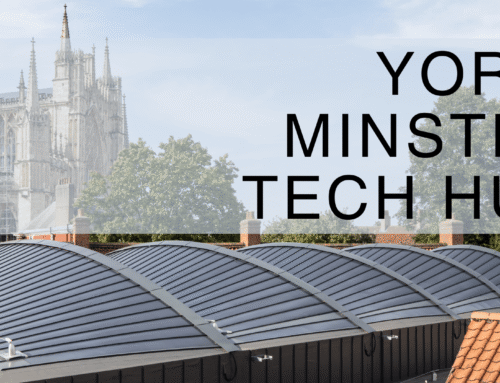
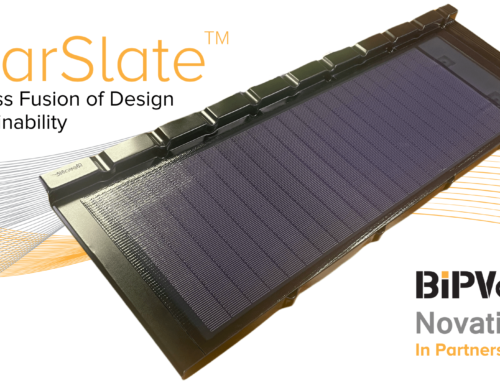
The appeal of roof-integrated BIPV lies in its dual function: it acts both as a weatherproof building material and as a renewable energy generator. Unlike bolt-on solar panels, which can detract from a building’s aesthetics or trigger planning objections, BIPV is integrated into the roof’s structure, making it especially suitable for conservation areas and visually sensitive developments across the UK.
Solar Momentum in the UK
The UK solar market is gaining pace. Installed capacity surpassed 18 GW in early 2025, up from 14 GW in 2020. Much of this growth is driven by rooftop and integrated solar systems on homes, schools, and commercial developments. According to Solar Energy UK, rooftop installations could deliver up to 30 GW by 2035, making BIPV a critical component of that expansion, if planning and policy frameworks continue to support adoption.
Why BIPV Should Be the Standard
Roof-integrated BIPV should be a cornerstone of the UK’s net-zero strategy for the built environment. It offers a rare combination of functional performance, aesthetic integration, and long-term sustainability, qualities that align directly with the evolving demands of modern architecture. With manufacturers like BIPVco delivering systems rigorously tested to UK standards for weather resistance, fire safety, and durability, BIPV is no longer a niche innovation—it’s a reliable, design-led solution ready for mainstream adoption.
For architects striving to futureproof their projects and meet increasingly ambitious carbon targets, BIPV empowers buildings to generate clean energy from the very fabric of the roof. As we move toward a future where net-zero is not just a goal but a baseline, BIPV offers an elegant, effective, and urgently needed tool for powering real progress, one roof at a time.